
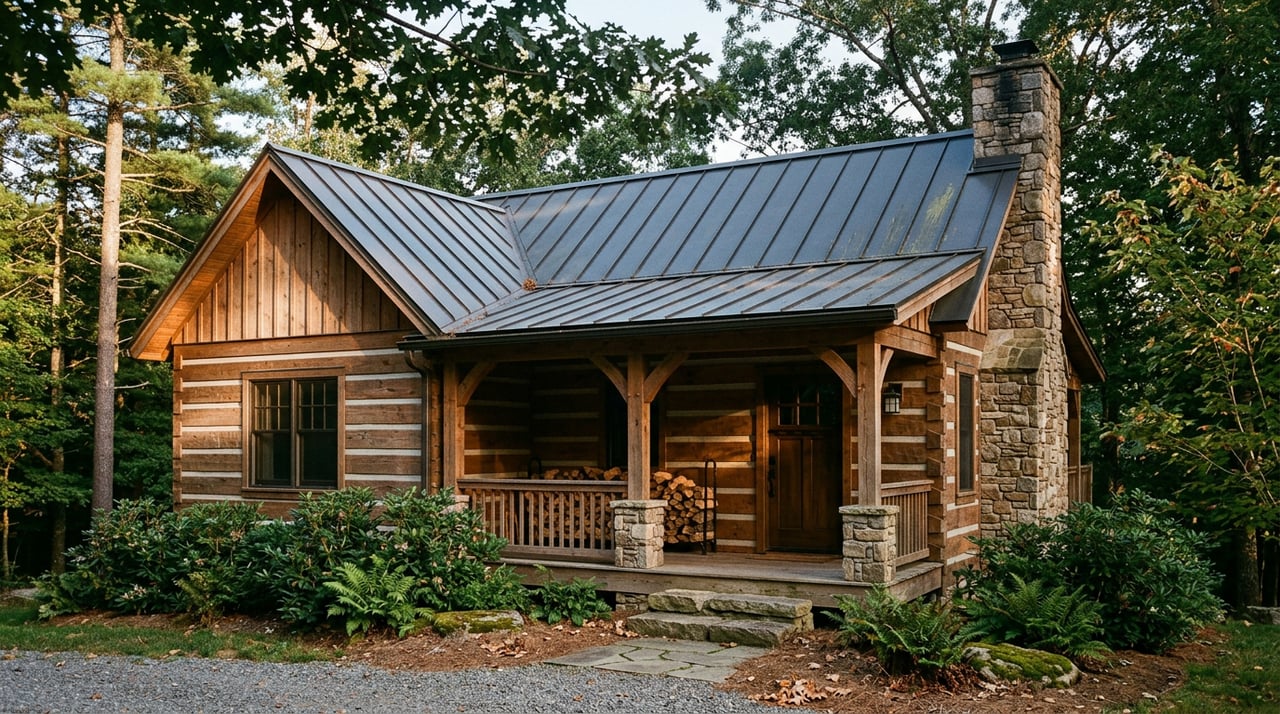
You picture mornings on a quiet porch, the Little River moving below and trailheads just a short drive away. If you’re dreaming about a Smokies retreat, Townsend sits in a sweet spot for cabin owners who value scenery, access, and a slower pace. In this guide, you’ll learn how cabin life here actually works, from seasons and park access to utilities, internet, roads, and short‑term rental basics. Let’s dive in.
Why Townsend works for cabin owners
Townsend is a gateway community at the western approach to Great Smoky Mountains National Park, often called the “Peaceful Side of the Smokies.” The town hosts a Great Smokies Welcome Center operated by the park’s partner, which underscores how closely daily life ties to the park itself. You can learn more about the welcome center and visitor resources through the park partner’s site at the Great Smokies Welcome Center in Townsend.
Cabin owners pick Townsend for fast park entry. The Townsend Wye connects you to Laurel Creek Road and Little River Road, with direct access toward Cades Cove and nearby trailheads. Seasonal closures and weather advisories can affect these roads at times, so it pays to keep an eye on park operations updates when you plan visits or guest stays.
What cabin styles and settings look like
You’ll see a mix of traditional log or timber cabins, A‑frame and chalet cottages, and modern mountain‑craftsman homes with tall great rooms and stone fireplaces. Outdoor living is a key theme, with covered decks, hot tubs, fire pits, and views as common selling points. Some properties feel tucked away in the trees, while others lean into river frontage or long mountain vistas.
Lot types vary widely. Inside cabin neighborhoods and gated vacation communities, you may find smaller lots with shared amenities like pools or golf. On larger wooded parcels, roads can be steeper and more winding, and homes often rely on private driveways or shared private roads. Expect variety and verify specifics for any parcel you’re seriously considering.
Utility basics you should know
Most cabins near town connect to public power, and many rely on local water and wastewater service. Electricity in and around Townsend is commonly supplied by the local public utility, the Sevier County Electric System. For water and sewer, the Tuckaleechee Utility District serves much of Townsend. On more remote lots you may see private wells and septic systems instead of district connections.
Because the mix is address‑specific, you should confirm which services a property uses before you make an offer. If it’s on district water, you can review public water information through sources like the Tuckaleechee Utility District water system record. If it is on a well and septic, plan on inspections and testing as part of due diligence.
Seasons in the Smokies and how they shape use
Summer and fall are peak visitor seasons, with the fall color window drawing heavy traffic and higher lodging demand. Late spring and early fall often deliver ideal hiking weather and river time. Winter is quieter and can feel like true off‑season cabin life, though snow or ice can lead to temporary road or park closures. For owners, these rhythms affect personal use, maintenance timing, and pricing or availability if you host guests.
The National Park occasionally closes roads or campgrounds for weather, wildfire risk, or repairs. If guaranteed year‑round access is important to you, factor seasonal closures and county road maintenance into your plan and check park advisories when winter systems roll through.
Internet and cell service: what to expect
Broadband options vary by address. Along main corridors, you may find cable internet. In more rural pockets, owners rely on DSL, fixed wireless, or satellite. Some addresses now support 5G home internet. To get a feel for the provider mix and where service types show up, see this overview of internet providers in Townsend, then confirm exact availability at the property.
Cell coverage is generally fine in town and along main roads, but it can be weak or nonexistent inside the National Park and on certain ridges. If you plan to offer guest Wi‑Fi or you work remotely, verify speeds on site and consider a backup option like fixed wireless or satellite for redundancy.
Roads, winter access, and parking
Mountain roads and private drives can be steep and winding. Public county crews maintain public roads, but private driveways and shared roads are the owner’s responsibility. In winter, 4WD or chains may be helpful on steeper slopes, and turnarounds or guest parking should be verified before you host. For local road condition context and seasonal advisories, the Blount County Sheriff’s Office shares winter weather and closure notices.
Wildlife and good stewardship
You are in active wildlife country. Black bears, deer, and smaller mammals move through the Townsend area and the park boundary. Owners should follow local guidance on trash and food storage, consider bear‑resistant containers, and think carefully about where grills or outdoor kitchens sit. Park partners provide visitor education at the Townsend welcome center, which is helpful for you and your guests.
Maintenance you should plan for
Expect a rhythm of small, regular projects. Common items include leaf and gutter clearing, deck and roof checks, grading or graveling driveways, chimney and wood‑stove service, and periodic septic pumping. Many cabins use heat pumps with wood stoves or propane backup, so schedule seasonal HVAC maintenance.
If you plan any guest turnover, line up cleaners and a trash schedule early and stock backups for linens and supplies. It also helps to keep a short list of local pros for plumbing, electrical, and tree work so you can respond quickly after a storm. Hot tubs, strong water heaters, and a reliable washer and dryer are typical guest expectations, so budget for upkeep on those.
Short‑term rental basics in Blount County
If you plan to rent your cabin, start with taxes and registration. Tennessee’s Sales and Use Tax applies to short‑term lodging, with a general state rate of 7 percent and additional local sales taxes varying by county or municipality. Registration and remittance are handled through the state; you can review details at the Tennessee Department of Revenue. Some platforms may collect certain taxes, but you remain responsible for compliance.
Local rules around the Smokies differ by jurisdiction. Townsend sits in Blount County, and zoning or HOA rules will determine what’s allowed for a given parcel. Begin by confirming parcel details and contacts through the county, starting with the Blount County Property Assessor, then check with planning staff and any HOA for rental restrictions, occupancy limits, and parking rules.
Insurance and safety planning matter, too. Many hosts add STR liability coverage, confirm smoke and CO detectors, and review septic capacity against the number of guests they plan to host. Verify insurance availability and potential premium changes before you count on rental income.
A simple buyer checklist for Townsend cabins
Use this quick list to focus your early due diligence:
- Utilities and infrastructure
- Confirm electric service provider and meter location. In many cases, it is the Sevier County Electric System.
- Check whether water is district or a private well and whether sewer is district or septic. Start with the Tuckaleechee Utility District.
- If on district water, review a recent water system report like the Tuckaleechee Utility District record.
- Access and easements
- Verify recorded road easements, who maintains private or shared drives, and snow‑clearing responsibilities.
- Check that driveways allow safe turnarounds and adequate guest parking.
- Internet and cell
- Test actual speeds at the address and confirm cell coverage for your carrier. Use an address‑level check after scanning Townsend provider options.
- Parcel hazards and insurance
- Review flood maps and slope stability if the home sits on a steep cut. Ask your insurance agent about coverage and premiums for wildfire, flood, or landslide exposure.
- Zoning and STR rules
- Confirm whether short‑term rentals are allowed for the parcel with county planning and any HOA. For parcel contacts and assessment data, start with the Blount County Property Assessor.
- If hosting, register for state taxes through the Tennessee Department of Revenue.
- Seasonal use planning
- Decide how often you will use the cabin, whether you prefer a lockbox or keyless entry, and if you want a local manager for emergency response and guest turnover.
A day in the life: your Townsend cabin
On a typical visit, you might grab coffee on the porch, then roll a few minutes to the Townsend Wye and head up Laurel Creek Road toward Cades Cove. You can reach trailheads like Schoolhouse Gap right off that corridor, which the park site describes in context of the Wye and surrounding routes; read more on the Schoolhouse Gap Trail page. Back home, a covered deck and fire pit make evenings easy, and you’ll hear the river if you’re close enough to Little River.
When winter hits, you keep an eye on park updates and any local advisories, then settle in for a quiet off‑season weekend that feels worlds away. That’s the draw here: real access, a calmer pace, and a cabin that works for you year‑round when you plan for the details.
Ready to find the right Townsend cabin and make a smart plan for utilities, internet, roads, and potential rentals? Let’s talk through your goals, line up showings, and build a clean due‑diligence path. Reach out to Michael Grider for local guidance and next steps.
FAQs
How close are Townsend cabins to park trailheads and Cades Cove?
- Many cabins sit minutes from the Townsend Wye, which feeds Laurel Creek Road toward Cades Cove and trailheads like Schoolhouse Gap. Check current access on the Schoolhouse Gap Trail page and park advisories.
Who handles water, sewer, and electricity for a Townsend cabin?
- Electricity is commonly provided by the Sevier County Electric System. Water and wastewater near town are often through the Tuckaleechee Utility District, while some remote parcels use wells and septic systems.
What internet options will I have at a cabin in Townsend?
- Availability is address‑specific. Options can include cable along main corridors, plus DSL, fixed wireless, or satellite elsewhere. Start with this overview of Townsend internet providers and then verify speeds on site.
How does winter weather affect mountain roads in Blount County?
- Public roads are maintained by the county, but steep private drives may require 4WD or chains during icy periods. For seasonal road and weather notices, follow the Blount County Sheriff’s Office.
Are short‑term rentals allowed for cabins in Townsend?
- Rules depend on the parcel, zoning, and any HOA. Begin with the Blount County Property Assessor for parcel contacts, then confirm with planning and your HOA. Register for state taxes with the Tennessee Department of Revenue.
How are property taxes assessed on cabins in Blount County?
- In Tennessee, residential property is assessed at 25 percent of fair market value, with local tax rates applied to the assessed value. For questions and appeals, contact the Blount County Property Assessor.