
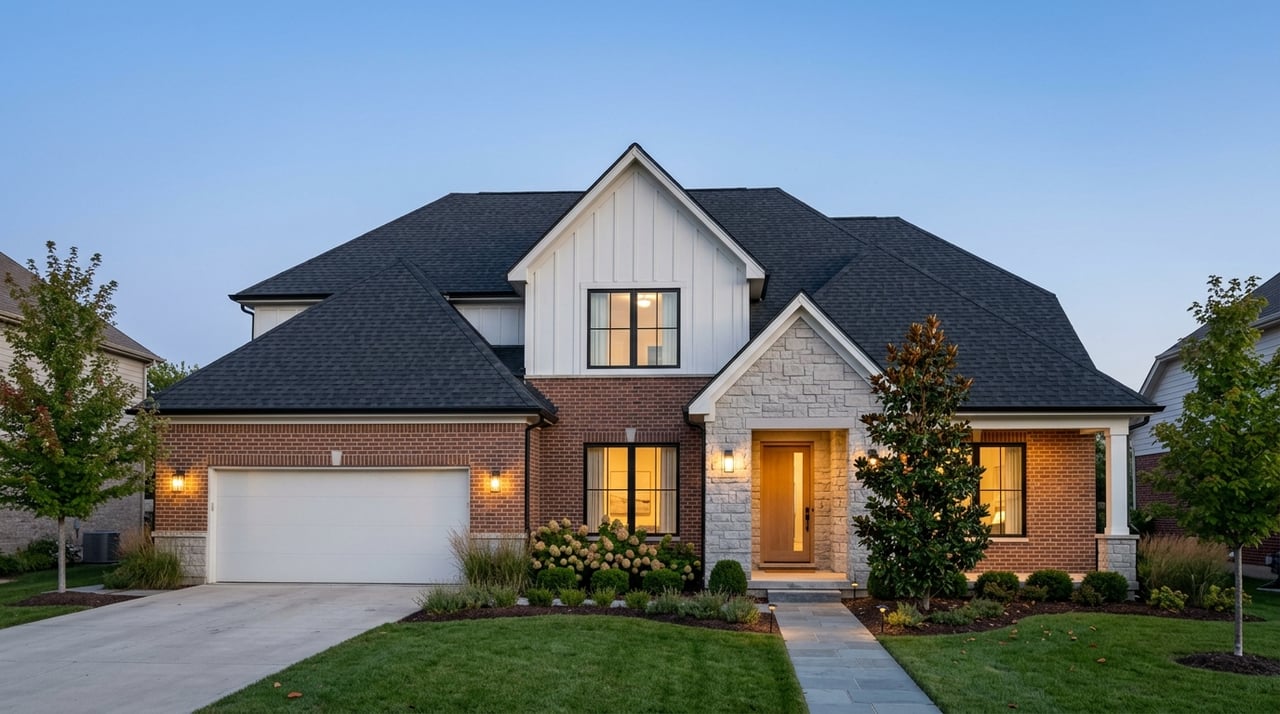
Feeling cramped in the home that once felt just right? If your starter home in Louisville no longer fits your daily life, you are not alone. As your needs change, the next step is not just finding a bigger house. It is figuring out how to use your equity, time your sale and purchase, and keep the numbers comfortable for your budget. Let’s walk through what that looks like in Louisville and the wider Blount County market.
Why Louisville homeowners hit this point
Louisville is a small town in Blount County with a primarily residential and agricultural setting along the Tennessee River and Fort Loudoun Reservoir, with easy access to Maryville, Knoxville, Oak Ridge, and the Smoky Mountains, according to Blount Tourism’s Louisville overview. For many homeowners, that mix of space and location makes a first home feel like a smart long-term decision.
But life changes. You may need another bedroom, a home office, a different layout, more storage, or a yard that works better for how you live now. When that happens, the question becomes less about whether you should move and more about how to move strategically.
Start with your equity position
If you are thinking about a move-up purchase, your first number is not the price of the next home. It is your current equity. Fannie Mae explains that home equity is the difference between your home’s current market value and what you still owe on your mortgage and any other liens.
That number matters because it can help fund your down payment, cover part of your closing costs, and give you flexibility on timing. It also helps you understand whether your next payment will still fit comfortably within your household budget.
A simple starting point looks like this:
- Estimate your home’s current market value
- Request your mortgage payoff amount
- Subtract what you owe from estimated value
- Set aside funds for prep, closing costs, and moving expenses
Fannie Mae also notes that sellers should factor in home prep, closing costs, and moving expenses before listing. In other words, not all of your equity is available for the next purchase.
Use county data, not thin local sales
One important note for Louisville homeowners: town-level sales data can be misleading when only a few homes have sold. Redfin reported just 4 homes sold in Louisville in March 2026, with a median sale price of $860,000. That is a very small sample, so it should be used carefully.
For planning a move-up strategy, Blount County and nearby Maryville give you a steadier view of the market. In Blount County, Redfin reported a March 2026 median sale price of $392,000, median days on market of 67, and 164 homes sold. Zillow also reported an average home value of $390,058, 633 homes for sale, and homes going pending in around 31 days as of March 31, 2026.
Nearby Maryville offers another useful benchmark. Zillow reported an average home value of $390,045, a median sale price of $381,604, 411 homes for sale, and homes going pending in around 31 days.
That tells you something important: this is an active market, but not one where every home flies off the shelf overnight. Pricing, condition, and negotiation still matter.
What the market means for your next step
If you are moving up from a starter home, your challenge is usually not just finding more space. It is balancing three things at once:
- How much equity you can roll into the next home
- How much your upgraded monthly payment will be
- How much cash you need for closing and moving
Blount County remains a strong homeowner market overall. Census QuickFacts for Blount County shows a July 1, 2024 population estimate of 142,211, a 5.1% increase from the 2020 census base, a 77.0% owner-occupied housing rate, a median owner-occupied home value of $320,500, median household income of $77,365, and median monthly owner costs with a mortgage of $1,495.
Those numbers give helpful context. If you are considering a larger home in a market where county-level sale values are around $390,000, the move may feel very doable or very tight depending on your current mortgage balance and available cash.
Should you sell first or buy first?
This is usually the biggest decision for move-up sellers in Louisville. There is no one-size-fits-all answer, but most homeowners choose one of three paths.
Sell first, then buy
This is often the lower-risk option financially. You sell your current home, know exactly how much equity you have, and then shop with a firmer budget.
The tradeoff is timing. You may need temporary housing or a short-term plan between closings if your next home is not ready yet.
Buy first, then sell
This option can reduce the stress of moving twice. It may work if you have enough savings or equity to support two housing payments for a short period.
The downside is financial pressure. Carrying two homes at once is not realistic for every household, especially with mortgage rates still affecting affordability.
Buy with a home-sale contingency
A contingent offer means your purchase depends on your current home selling. Freddie Mac explains that contingencies are a normal part of homebuying because they give parties a legal way out if something goes wrong.
Still, a home-sale contingency can be less attractive to the seller of the home you want. Freddie Mac notes that this kind of contingency is riskier from the seller’s perspective because there is no guarantee your current home will sell.
How contingencies work in practice
If you need to make an offer before your current home closes, it helps to understand what else may be required. Fannie Mae notes that earnest money is typically 1% to 3% of the offer price, and buyers should be prepared to move quickly and work closely with their lender and agent.
In plain terms, that means your move-up plan should include:
- A realistic value range for your current home
- A lender conversation before you shop
- A timeline for listing, showings, and offers
- Cash available for earnest money
- A backup plan if your home sale takes longer than expected
In today’s market, some homes still attract strong offers, but buyers also have options. Zillow reported that 13.4% of Blount County sales closed over list price and 68.4% closed under list price in February 2026. That mix suggests careful pricing and clean terms still matter on both sides of the transaction.
Budget for more than the down payment
A move-up purchase usually comes with more costs than many sellers expect. Beyond your down payment, you should plan for closing costs, moving expenses, and any repairs or updates needed before listing your current home.
Fannie Mae says closing costs are typically 2% to 5% of the purchase price. Freddie Mac also notes that the closing process can take weeks, which means your cash flow needs to stay flexible during the transition.
Here is a simple planning checklist:
- Down payment from savings and or equity
- Earnest money, usually 1% to 3% of the offer price
- Closing costs, typically 2% to 5% of purchase price
- Home prep before you sell
- Moving costs and utility setup
- A small cushion for overlap or unexpected delays
Keep mortgage rates in the picture
Even if you have solid equity, the payment on your next home still matters. Freddie Mac reported that the 30-year fixed-rate mortgage averaged 6.30% as of April 16, 2026, down from 6.37% the prior week.
That is why move-up planning is really a monthly budget exercise, not just a price-range exercise. A home may look attainable on paper, but taxes, insurance, loan terms, and closing cash all shape what feels comfortable long term.
Build in more time than you think
One of the most common mistakes in a move-up sale is assuming everything will line up perfectly. It usually does not. NAR notes that a sale is usually finalized within one to two months after a contract is signed.
That means there can be a real gap between accepted offer, closing date, and move-in timing. Freddie Mac recommends a final walkthrough about 24 hours before closing, and it also emphasizes that closing can take weeks.
A little schedule buffer can make a big difference. If you are juggling packing, inspections, lender requests, and utility transfers, extra time is not a luxury. It is part of a smoother plan.
A practical path for Louisville sellers
For many Louisville homeowners, the smartest first move is simple: get a current home valuation, review your mortgage payoff, and map out two or three realistic purchase scenarios in Blount County or Maryville. That gives you a clearer answer than browsing homes online and guessing.
Because Louisville is a smaller market, local strategy matters. You want pricing grounded in reliable county-level data, a listing plan that helps your current home stand out, and a purchase timeline that protects your budget and your sanity.
If you are outgrowing your starter home, you do not have to figure it all out alone. Michael Grider can help you understand your equity, prepare your home for the market, and build a move-up plan that fits your goals in Louisville, Maryville, and across Blount County.
FAQs
How do I know if I have enough equity to move up from my Louisville starter home?
- Start with your home’s current market value and subtract your mortgage payoff and any other liens. Then set aside funds for prep, closing costs, and moving expenses to estimate what you can use for your next purchase.
Should I sell my Louisville home before buying my next home in Blount County?
- Selling first usually reduces financial risk because you know exactly how much equity you have, but it may require temporary housing. Buying first can be more convenient if you can handle short-term overlap in payments.
What does a home-sale contingency mean for a move-up buyer in Louisville?
- It means your offer on the next home depends on your current home selling. This can protect you, but sellers may see it as a weaker offer because your sale is not guaranteed.
How long does it usually take to close on a home in Blount County?
- After a contract is signed, a sale is often finalized within one to two months. Even then, the closing process involves inspections, lender steps, and a final walkthrough, so it helps to leave room in your schedule.
What extra costs should I plan for when upgrading from a starter home in Louisville?
- Plan for earnest money, closing costs, moving expenses, utility setup, and any prep work needed before listing your current home. Closing costs alone are typically about 2% to 5% of the purchase price.