
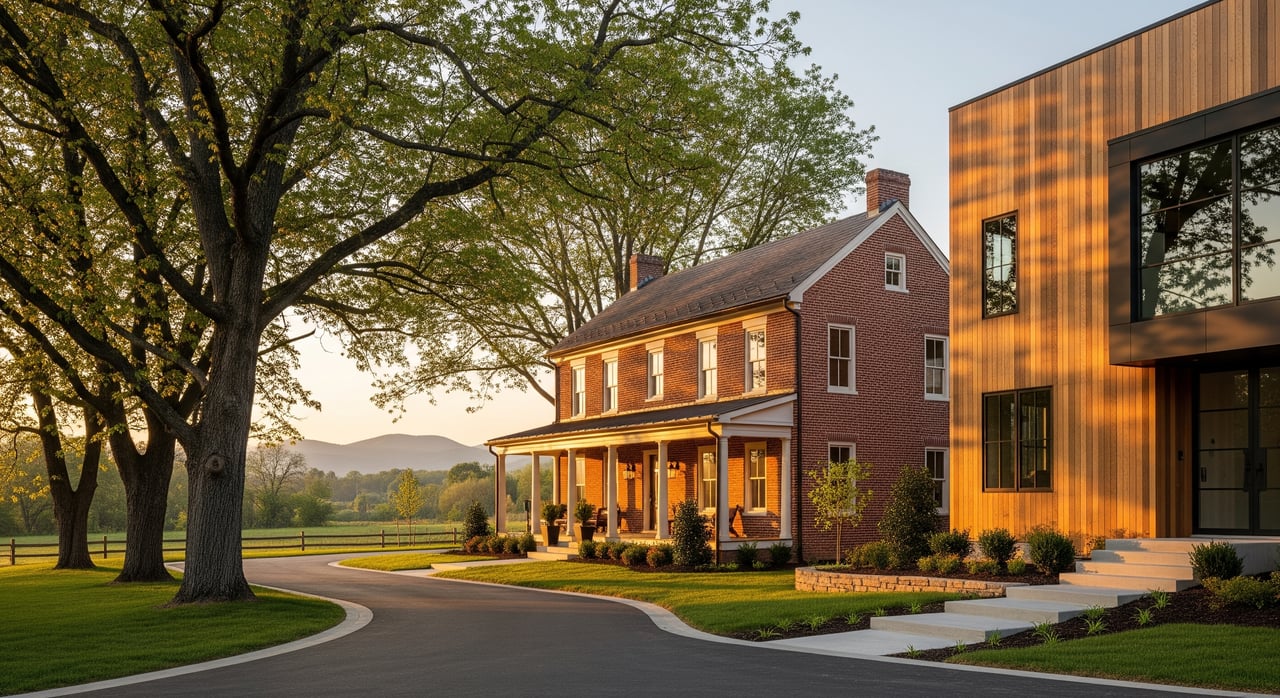
Torn between a brand-new build and a move-in-ready resale in Louisville? You are not alone. In Blount County, your choice can affect your budget, timeline, and daily life, from commute times to utility setup. In this guide, you will learn the key differences, local considerations, and simple checklists to make a confident decision. Let’s dive in.
Big picture in Louisville and Blount County
Louisville sits just south of Maryville and Knoxville, so your options often span nearby communities like Maryville, Alcoa, and Friendsville. Many buyers compare homes across the county because job centers, schools, and daily errands cross city lines. That means your decision is not only about the house, but also about commute routes, services, and neighborhood character.
New construction and resale inventory can shift month to month. For the latest pricing, inventory, and days on market, look to sources such as the Knoxville-area MLS and the Knoxville Area Association of REALTORS, Blount County Building and Codes for permitting trends, and the county Assessor and Trustee for property tax details. Local verification helps you set realistic expectations.
Cost of ownership: upfront vs long term
Choosing between new and resale starts with the total cost, not just the sticker price.
New construction costs to expect
New construction often carries a higher base price per square foot. You get modern systems, fresh finishes, and a builder warranty, which can lower maintenance for the first few years. Be sure to budget for lot premiums, site work, landscaping, and upgrade packages. Many popular options are priced to drive up the final number, so review the standard features list carefully.
If you are building from the ground up, ask who pays any impact fees, what is included in the driveway and landscaping, and how change orders are handled. Your final price should reflect everything you expect to receive at closing.
Resale costs to plan for
A resale home may offer a lower purchase price, especially in established parts of Blount County. That said, older homes can hide deferred maintenance. Set aside funds for items like HVAC, roofing, windows, or bringing electrical and plumbing up to current code standards. After your inspection, get quotes for any needed updates and factor them into your total cost.
If you are comparing a renovated resale to a new build, look closely at the scope and quality of the updates, the age of major systems, and energy-efficiency features. The right resale can offer strong value if big-ticket items have already been addressed.
Customization and layout
New construction flexibility
With a new build, you can select finishes and, if you buy early enough, sometimes adjust the floor plan. New layouts often emphasize open living, spacious primary suites, and energy-conscious features. Keep in mind that upgrades add up. Decide which customizations truly improve function and which are cosmetic.
Resale practicality
A resale delivers what you see on day one. You can renovate down the road, but that requires time, contractors, and a separate budget. The upside is speed and certainty. You can also find larger lots or mature landscaping in established neighborhoods, which some buyers prefer.
Timing and closing expectations
New build timelines
Timelines vary from quick spec homes to several months for a full build. Weather, permitting, and supply chain issues can cause delays. If you need to sell your current home to purchase the new one, discuss contingency strategies and temporary housing options. Have a backup plan and confirm how your builder communicates schedule changes.
Resale timelines
Resale closings typically follow your financing timeline. If the home is vacant and inspections go smoothly, you can often close faster. Build in time for repair negotiations after inspection and for appraisal scheduling.
Inspections, quality, and protections
What to do on a new build
Many builders manage access during construction and may limit independent inspections. When allowed, hire your own inspector for a pre-drywall check and a final inspection before closing. Ask for the builder’s warranty details in writing, including coverage, duration, and who handles punch-list items after closing.
What to expect on a resale
A standard home inspection contingency is common and gives you leverage to negotiate repairs or credits. Review the seller’s disclosure carefully and bring in specialists for septic, radon, pest, HVAC, or structural questions. Clear documentation helps you budget and negotiate with confidence.
Financing basics
New construction lending
Some builds require construction-to-permanent loans or other specialized financing. Clarify whether the builder accepts third-party lenders, and ask about any incentives tied to using the builder’s preferred lender. Understand how appraisals will be handled, especially if nearby comparables are limited.
Resale lending
Conventional, FHA, and VA options are common for resale homes. Appraisals rely on recent comparable sales, which can be challenging when neighborhoods are changing quickly. Your lender and agent can help you set expectations and address appraisal gaps if they arise.
Energy efficiency and warranties
New construction advantages
New homes must meet current building codes at the time of permitting and often include energy-minded features like improved insulation, efficient HVAC, and modern windows. Confirm what is standard versus optional, including water heaters, insulation R-values, and HVAC ratings. A builder warranty can provide peace of mind on structural and mechanical systems in the early years.
Resale upgrades to consider
Older homes may need energy updates to match modern standards. If efficiency matters to you, plan for improvements like sealing and insulation, HVAC replacement, or window upgrades. Ask the seller for recent utility bills and a list of improvements so you can estimate future costs.
Resale value and long-term outlook
New construction appeals to buyers who want low maintenance and modern layouts, which can support demand. In areas with clusters of similar new homes, you may compete with nearby new inventory when you sell. Established neighborhoods with mature lots and central locations can help resale homes hold value as well. The best way to gauge long-term potential is to analyze nearby comparable sales for both new and resale over time.
Louisville-specific site and utility checks
Blount County includes suburban neighborhoods and rural pockets, so utilities and site conditions vary.
- Sewer vs septic. Confirm whether a property is served by public sewer. Many areas rely on septic systems. Septic capacity, condition, and replacement cost are important to verify during due diligence.
- Water source. Check for municipal water or a well. Water quality, pressure, and maintenance can vary by location.
- Road type and access. Private or gravel roads can influence insurance and loan eligibility. Ask about maintenance agreements.
- Floodplain and topography. Review flood risk and hillside grading needs. Sloped or low-lying lots may require additional site work.
- Permits and timelines. Check with Blount County Building and Codes for permit requirements, inspection schedules, and any recent changes that could affect your build.
- Taxes and assessments. Property taxes are based on assessed value. New construction is assessed on completed value, which may differ from an older home or a vacant lot.
- Schools and amenities. Verify Blount County Schools zoning and bus service if that matters to you. Consider commute routes to Maryville, Alcoa, and Knoxville, as well as proximity to groceries, health care, parks, and major highways.
Tips for resale sellers competing with new builds
If you are selling a resale home near new construction, position your property to stand out.
- Highlight what buyers cannot get in a new subdivision, such as larger lots, mature trees, established landscaping, or recent renovations.
- Present a clean disclosure packet with system ages, utility information, and documented improvements. This builds trust and reduces buyer hesitation.
- Price relative to new inventory. If new homes nearby are selling quickly, consider focused updates with high return, like neutral paint, refreshed lighting, and modest kitchen or bath improvements.
- Coordinate timing if you plan to buy new. Align your sale and new build timeline with your lender and agent so you can move once.
Checklists you can use now
Buyer checklist: new construction
- Verify utilities at the lot, including sewer or septic, water source, power, and gas.
- Get the builder’s standard features list, warranty details, and a sample purchase agreement.
- Confirm what is included versus optional: appliances, landscaping, driveway finish, garage door opener, and window coverings.
- Schedule independent inspections at allowed milestones, such as pre-drywall and final.
- Ask about third-party lender policies and appraisal expectations.
- Review energy features, including insulation R-values, HVAC efficiency, and water heater type.
- If in an HOA, read covenants, architectural guidelines, and fee schedules.
Buyer checklist: resale
- Order a full home inspection and specialist inspections as needed, such as septic, radon, pest, or HVAC.
- Review the seller’s disclosure and start title work early.
- Analyze recent comparable sales, including nearby new builds, to shape your offer.
- Budget for immediate updates and any deferred maintenance uncovered during inspection.
Seller checklist: resale near new builds
- Price with awareness of nearby new construction and current buyer preferences.
- Complete strategic updates with strong return, such as paint, curb appeal, and fixture refreshes.
- Prepare a packet of recent improvements, warranties, and utility averages.
- If buying new, plan your sale around the builder’s timeline and discuss bridge or contingency options with your lender.
How a local advisor helps you decide
You deserve clear, local advice tailored to your goals. In Louisville and greater Blount County, the right agent will compare neighborhoods across the county, verify utilities and permitting details, and align your budget with realistic timelines. Whether you want the simplicity of a spec home, the flexibility of a to-be-built, or the charm and value of a well-kept resale, a grounded plan will save you time, money, and stress.
If you want help weighing your options or coordinating a sale-to-build move, reach out. You will get plainspoken guidance, local insight, and a smooth process from first tour to closing.
Ready to compare properties side by side or get a value check on your current home? Connect with Michael Grider for local guidance that puts your goals first.
FAQs
What is usually cheaper in Louisville: new construction or resale?
- It depends on the property and location. New homes often cost more upfront but may have lower early maintenance and energy costs, while resales can be less expensive initially but may require updates.
Can I negotiate price or incentives on a new build?
- Yes, especially on move-in-ready spec homes or in slower periods. Negotiation room varies by builder, stage of construction, and local demand.
How does financing differ for new construction versus resale?
- New builds may need construction-to-permanent loans or specialized options. Resales typically use conventional, FHA, or VA loans. Confirm appraisal expectations for both.
What inspections should I get on a new build in Blount County?
- When allowed, schedule pre-drywall and final inspections with an independent inspector, and review the builder’s warranty and punch-list process before closing.
What local factors should I verify before buying in Louisville?
- Confirm utilities (sewer or septic, water source), road access, flood risk, permit timelines, tax assessments, school zoning, and commute routes to nearby job centers.