Looking at homes around Maryville and wondering which neighborhoods truly fit your day-to-day life? You’re not alone. Between downtown charm, family-friendly streets near Maryville College, newer subdivisions, and semi-rural pockets near the Smokies, each area offers a different rhythm. This guide breaks down what living there actually feels like so you can match homes, lots, commutes, and amenities to your goals. Let’s dive in.
How Maryville neighborhoods differ
Downtown and historic core
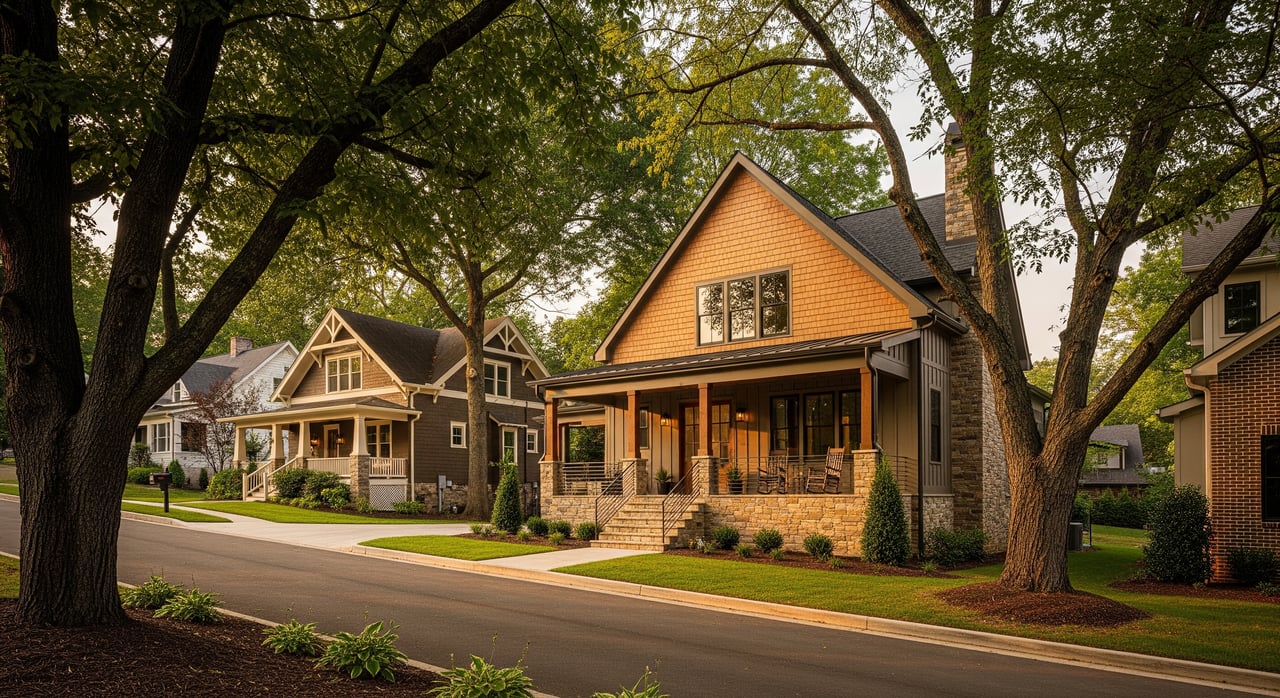
If you want character and walkability, the downtown and historic core may be your match. You’ll see early 1900s bungalows, cottages, and renovated homes on smaller city lots, often with front porches and hardwood floors. Daily errands, dining, and civic events are close, and many trips can be quick on foot or by a short drive.
Expect compact yards and sidewalks in many blocks. Drive times to downtown are minimal, often 0 to 10 minutes. For recreation, local parks and greenway segments are nearby, and you’ll still have a reasonable jump-off to the Great Smoky Mountains for day trips.
Established neighborhoods near Maryville College
These are mature, tree-lined streets with mid-century homes, including ranch and split-level styles from the 1950s through the 1980s. Lots are moderate, typically around 0.25 to 0.5 acre, which can offer room to play or garden without intensive upkeep. Sidewalks appear in many areas, and the feel is calm and residential.
You’ll have shorter drives to many schools and city services, plus quick access to grocery and retail corridors. Commutes into downtown Maryville are simple, and regional drives remain manageable from this central location.
Suburban subdivisions
If newer construction and neighborhood amenities are on your list, look at suburban corridors in North and West Maryville and along major roads leading out of downtown. Homes often date from the 1990s to recent years and feature open floor plans, 3 to 5 bedrooms, and garages. Lots typically range from about 0.2 to 0.5 acre, and many communities include sidewalks, small parks, and sometimes HOAs.
Expect easy access to larger grocery stores and retail centers along major corridors. Many Maryville neighborhoods are about 10 to 20 minutes from McGhee Tyson Airport and Alcoa employment centers. Commutes to Knoxville generally fall in the 25 to 40 minute range depending on traffic and start point.
Semi-rural and mountain-edge
South and east of the city toward the foothills, you’ll find larger lots, more privacy, and the potential for mountain views. Properties commonly sit on 1 acre or more, with space for outbuildings or hobby uses. Sidewalks are less common, and drives to downtown services are longer.
If outdoor access is a priority, this area puts you closer to Smokies trailheads and scenic drives. Typical travel times to downtown from these pockets can run 20 to 35 minutes or more, while park access points are often 20 to 50 minutes away depending on route and traffic.
Edge communities and lake or river areas
Some homes emphasize water access or views near reservoirs and river corridors. Styles and lot sizes vary widely, and these properties may be inside or outside city limits. If a listing mentions water access, verify whether it is deeded or provided through a neighborhood facility.
Road access can vary seasonally in certain areas. It’s also important to distinguish an “in-city Maryville” address from homes in unincorporated Blount County that share a Maryville mailing address but offer different services and utilities.
Everyday living factors to compare
Home style and age
- Downtown or historic areas: Early 20th-century cottages and bungalows, often updated with preserved character.
- Established neighborhoods: 1950s–1980s ranch and split-level homes, with renovations common.
- Subdivisions: 1990s–2020s construction with modern layouts, garages, and community features.
- Semi-rural: Custom builds, larger garages or outbuildings, and designs that suit acreage.
Lot size and outdoor space
- Downtown/historic: About 0.1 to 0.25 acre with smaller yards and low-maintenance spaces.
- Established: About 0.25 to 0.5 acre with room for play, pets, or gardens.
- Subdivisions: About 0.2 to 0.5 acre, sometimes with HOA-maintained common areas.
- Semi-rural: One acre or more is common, with options for several-acre parcels.
Exact sizes vary block by block, so verify with county parcel records when you get serious about a property.
Commute times and travel
- Downtown areas: 0 to 10 minutes to downtown Maryville.
- Suburban corridors inside city limits: About 10 to 20 minutes to downtown.
- Semi-rural outskirts: Often 20 to 35 minutes or more to downtown services.
- Knoxville: Typically 25 to 40 minutes depending on route and traffic.
- Airport and Alcoa: Often 10 to 20 minutes for many Maryville neighborhoods.
- Great Smoky Mountains access: About 20 to 50 minutes to park entrances, depending on route and seasonal traffic.
Test your commute during actual rush hours with a navigation app, especially if you plan to drive toward tourist areas or across major interchanges.
Parks, trails, and recreation
Maryville supports a network of parks, fields, and greenway segments, which serve as hubs for families. Suburban and established neighborhoods often have quick access to ball fields and greenways, while semi-rural areas trade proximity to city parks for easier access to mountain trailheads. Water recreation on nearby reservoirs and rivers is a short drive from many neighborhoods. Always confirm whether a property includes deeded water access or neighborhood amenities.
Shopping, groceries, and healthcare access
Downtown Maryville offers restaurants, boutiques, coffee shops, and civic life for short, frequent trips. Larger grocery stores and big-box retail cluster along major corridors and near highway interchanges, offering typical 5 to 15 minute drives from most subdivisions. Healthcare access is strong in the Maryville and Alcoa area, including regional hospital and clinic services.
Schools and services: what to verify
Maryville City Schools are known locally for strong academics and extracurriculars, and school assignments vary by address. Areas outside city limits are typically served by Blount County Schools, which vary by program and performance. Always confirm current boundaries with district maps and review school report cards, course offerings, and activities.
Childcare and preschool options include private and church-affiliated providers in both Maryville and Alcoa. Availability can be tight in fast-growing family areas, so check openings early. For safety and emergency services, response times can differ by proximity to downtown and main arterials. Review local police or sheriff crime resources for neighborhood-level data.
Utilities and broadband can also vary. Many in-city addresses have municipal water and sewer, while homes outside city limits may use septic or well systems. Internet providers and speeds range from fiber in some areas to cable or DSL in others, so verify at the address level.
HOA, walkability, and transit basics
- HOAs: Many newer subdivisions include HOAs with rules and dues, while older and historic areas often have fewer formal covenants. Some pockets may have local preservation overlays.
- Walkability: Highest in downtown and close-in historic areas. Suburban and semi-rural locations are more car-dependent.
- Transit: Regional public transit options are limited compared to larger metros. Most residents rely on personal vehicles. Check for local bus or senior transit options if needed.
Quick decision framework
Lifestyle matching checklist
- Daily errands: Are groceries, school, and work close enough to keep your routine smooth? Walkable, short drives, or flexible?
- Outdoor time: How often will you visit the Smokies or the lake? Do you want to be minutes from trailheads?
- Lot priority: Compact city lot, moderate yard, or 1+ acre for privacy and projects?
- Home age and maintenance: Newer, move-in-ready or historic character with possible updates?
- Commute and remote work: Test real commute times and confirm broadband options.
- Schools and activities: Verify district boundaries and after-school options.
Make your short list in 5 steps
- Define must-haves vs nice-to-haves: schools, lot size, drive times, and walkability.
- Filter for city limits vs unincorporated Blount County, plus lot size and year built.
- Run real-time drive tests to work, school, and the Smokies during typical hours.
- Visit at different times of day to assess traffic, parking, and neighborhood feel.
- Confirm details with county parcel records, FEMA flood maps, and local zoning, especially for acreage.
Early red flags to check
- Water and sewer access vs septic or well.
- Deeded water or lake access claims.
- Road maintenance responsibility on rural roads.
- HOA covenants, dues, and any pending assessments.
- School boundary changes that could affect your plan.
- Floodplain or landslide risk for mountain-edge parcels.
Which neighborhood type fits you?
- Want walkability and character? Explore the downtown and historic core.
- Prefer tree-lined streets and moderate yards? Look near Maryville College and established central areas.
- Seek newer homes with community features? Check suburban subdivisions along northern and western corridors.
- Need privacy, acreage, and easy outdoor access? Focus on semi-rural and mountain-edge pockets.
- Interested in water recreation? Consider lake and river areas and verify actual access rights.
Ready to explore Maryville?
When you’re ready for a neighborhood-specific market snapshot, including active listings, recent sales, school boundary confirmation, and a custom drive-time analysis, reach out to Michael Grider. You’ll get plainspoken, local guidance that helps you move with confidence.
FAQs
What’s the difference between in-city Maryville and nearby county areas?
- In-city addresses often have municipal water and sewer and faster access to city services, while nearby unincorporated Blount County areas may use septic or well systems and offer different service levels. Always verify utilities and services by address.
How long is the commute from Maryville to Knoxville?
- Typical drive times run about 25 to 40 minutes depending on your start point, route, and traffic.
Are there many new-build neighborhoods in Maryville?
- Yes. Growth corridors in North and West Maryville and near highway connections have seen steady subdivision development since the 1990s, with inventory varying by season.
How walkable is downtown Maryville compared to other areas?
- Downtown is the most walkable for dining, events, and some errands, while suburbs and rural areas are more car-dependent.
What should I verify first when touring homes?
- In the first 48 hours, confirm school boundaries, utilities (city vs septic/well), HOA rules and dues, flood or landslide risk, and commute times during real drive hours.
Recommended reading: Love Where You Live: What Makes Maryville, TN, So Special