
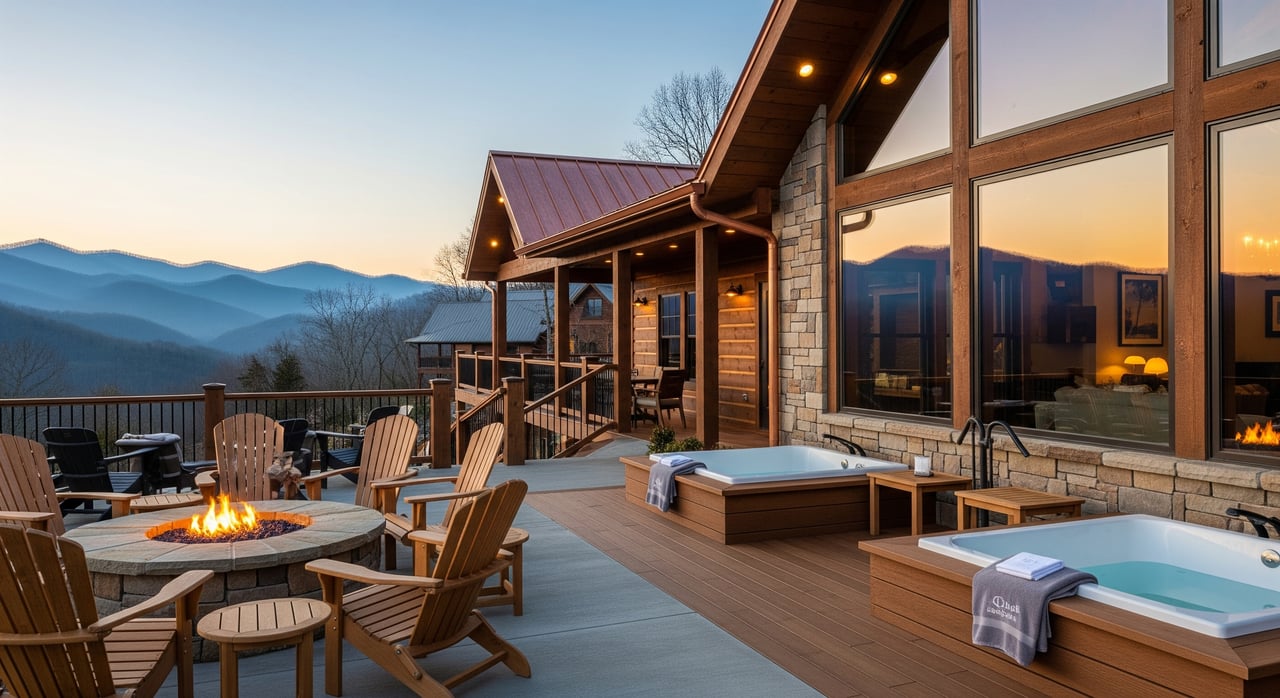
Dreaming of a cozy cabin near the Little River and miles of trails, but not sure which community amenities really matter? You’re not alone. In Townsend, amenities can shape daily life, rental appeal, and long‑term costs. This guide breaks down what you’ll find in cabin neighborhoods around Townsend, what each feature means in practice, and the key due‑diligence steps that protect your purchase. Let’s dive in.
What counts as amenities in Townsend
Cabin communities in Townsend range from small clusters of lots to full subdivisions. You’ll see a mix of outdoor perks, shared facilities, infrastructure, utilities, and management services. Each one affects livability, costs, and resale appeal.
Because Townsend borders the Great Smoky Mountains National Park, many developments lean into low‑density design, rustic common areas, and easy recreation. If you plan to rent, amenities that streamline guest access and parking often matter just as much as the views.
Outdoor and recreational amenities
Trails and hiking access
Private trails and path networks are common. These are usually maintained by the HOA, with rules for use and budgets for upkeep. Trails can be a top value driver if you want immediate outdoor access without getting in the car.
River and stream access
Communities along the Little River often advertise private or shared access points for fishing, tubing, or put‑ins. Confirm whether access is by easement or owned land, and ask about seasonal flood risk and improvements like steps or docks. If the site is near a mapped flood area, review the FEMA Flood Map Service Center before you commit.
Scenic spaces and storage
Picnic areas, overlooks, and communal firepits add lifestyle appeal and community feel. Expect fire‑safety rules and landscape maintenance costs. Fishing racks, tube parking, and kayak storage are a plus, but communities often restrict motorized boats.
Shared facilities and social spaces
Clubhouses and small lodges host meetings, owner events, and sometimes short‑term rental check‑ins. Pools, hot tubs, and fitness rooms are less common in remote settings and cost more to insure and maintain. Playgrounds, dog parks, and court sports attract families, but they add to the HOA’s maintenance schedule and budget.
Infrastructure and services
Private roads are a defining feature in many cabin neighborhoods. Ask who maintains grading, paving, culverts, and snow or ice clearance. Verify whether roads meet county acceptance standards or remain private, and look for a written road maintenance agreement.
Some communities operate shared water systems or a community septic or package treatment plant. These require permits, testing, and a plan for reserves and replacement. Trash and recycling needs can spike during busy visitor seasons, so confirm service frequency and vendor contracts.
Mail and package delivery can vary in rural areas. Some neighborhoods offer a centralized pickup point or private courier setups that support short‑term rentals.
Utilities and connectivity
- Electricity typically comes from a local municipal utility or electric cooperative. If you plan to add HVAC, hot tubs, or an EV charger, confirm service capacity.
- Propane is common where natural gas lines are not available.
- Internet can be variable in mountain terrain. Options might include cable or DSL in some corridors, fixed wireless, or satellite. Broadband reliability affects work‑from‑home use and rental marketing.
- Cell coverage can be spotty in river valleys or heavily wooded slopes. Signal boosters and Wi‑Fi calling help.
Management, security, and rentals
Many cabin communities allow or encourage professional property management for short‑term rentals. Some require using an approved manager. Management agreements affect cleaning schedules, guest turnover, and access protocols.
Security features range from gates to cameras and lighting. Gates add capital and maintenance costs and require clear rules for owner and guest access. On‑site caretakers improve responsiveness, while volunteer boards may limit service capacity.
Conservation and design
To protect scenic character, some neighborhoods use design guidelines, view easements, and native landscaping standards. Steep slopes make stormwater control essential. Well‑designed ditches, swales, and retention areas reduce erosion and protect roads and driveways.
Rules, permits, and what to check
- Zoning and subdivision: Blount County sets subdivision standards, road design, and stormwater rules. If a property sits inside the Town of Townsend limits, municipal codes may apply. Visit the Blount County Government site for planning, building, and codes contacts.
- Wastewater and water: Septic systems and community treatment plants require permits and inspections through the Tennessee Department of Environment and Conservation. Community water systems are monitored under drinking‑water rules.
- Floodplains and buffers: Use the FEMA Flood Map Service Center to check flood zones, which can drive insurance needs and limit building near waterways.
- Proximity to GSMNP: Adjacency to federal lands raises visitation and wildlife interactions, but there are no federal controls on private neighborhood design. Communities near park access points often coordinate with county and park officials on traffic and parking.
- Short‑term rentals: Requirements can vary between Blount County and the Town of Townsend and often depend on HOA covenants. Confirm permits, occupancy taxes, and any HOA registration or guest rules before you buy.
- Fire and emergency services: Rural areas may be served by volunteer departments. Ask about response times, hydrant availability, and defensible‑space practices.
Costs, financing, and insurance
- HOA dues fund roads, common areas, insurance, and sometimes water or wastewater operations. Look closely at dues history and any special assessments.
- Owners often pay for private road resurfacing, culverts, and retaining walls over time. Budget for septic pumping, well testing, or community wastewater fees.
- Insurance can be higher in remote or wooded settings. Review options for flood, wind, wildfire, and liability coverage that includes shared amenities.
- Rural properties or non‑standard construction can affect loans and appraisals. Seek lenders experienced with rural or second‑home financing and verify that private water or wastewater systems meet loan requirements.
Quick due‑diligence checklist
- Verify legal access, road ownership, and the road maintenance agreement.
- Confirm flood zone status via FEMA and ask about any past flood events.
- Request HOA documents: CC&Rs, bylaws, rules, budgets, reserve study, minutes, and insurance certificates.
- Review vendor contracts for roads, trash, wastewater, and security.
- Inspect the septic system or review permits and operator records for shared systems.
- Test well water or review the community water system’s monitoring results through TDEC.
- Confirm electric service capacity and available broadband options.
- Ask about winter road maintenance and any seasonal closure risks.
- Verify short‑term rental rules and required tax registrations.
- Obtain insurance quotes specific to the property, including flood if applicable.
Questions to ask the HOA or seller
- Who maintains the roads, and are they county‑accepted or private?
- What do HOA dues cover, and when were they last increased?
- Are short‑term rentals allowed, and are there minimum night stays or registration rules?
- Is river access by easement or owned land, and are there improvements or restrictions?
- Who provides electricity, propane, and internet, and are there capacity constraints?
- Is the property in a FEMA flood zone or other constrained area like steep slope risks?
- Are there any active enforcement actions, litigation, or pending assessments?
- Does the HOA have a current reserve study, and when were major assets last repaired?
- Who handles emergency repairs after hours, and what are typical response times?
- Are there recorded view or conservation easements that affect tree work or building pads?
For sellers: how to prepare
Help buyers move fast by assembling a simple documentation folder. Include CC&Rs, rules, budgets, reserve studies, and minutes. Add recent maintenance invoices, water or wastewater permits, septic records, utility details, and any rental history if applicable. Clear records reduce surprises and strengthen your negotiating position.
The bottom line
The right cabin community in Townsend should offer the outdoor access you want, the services you need, and clear financials that protect long‑term value. Focus on road and utility reliability, legal river access, and transparent rental and HOA rules. Those are the amenities that broaden demand and support resale.
If you want a local guide who knows the backroads and the paperwork, reach out to Michael Grider to talk through neighborhoods, due diligence, and next steps.
FAQs
What amenities are typical in Townsend cabin communities?
- Expect trails, river or stream access, picnic areas, and sometimes a clubhouse. Some neighborhoods add pools, courts, or dog parks, but those are less common and increase dues.
How do private roads affect ownership and costs?
- Private roads usually mean the HOA funds grading, paving, and culvert work. Ask for a written road maintenance agreement and look for a reserve plan for resurfacing.
What should I check with river or stream access?
- Confirm whether access is by easement or owned land, whether improvements exist, and if the area lies in a FEMA flood zone. Review insurance needs and community rules for water use.
Will I get reliable internet at a mountain cabin in Townsend?
- It depends on location. Some corridors have cable or DSL, while others rely on fixed wireless or satellite. Confirm options and speeds before you buy if you work from home or plan to rent.
Are short‑term rentals allowed in all Townsend cabin communities?
- No. Rules vary by county or municipality and by HOA covenants. Verify local permits, occupancy tax requirements, and any HOA registration or guest limits before making an offer.